Remember the scene in The Dark Knight where The Joker burns a pyramid of cash worth hundreds and millions of dollars? Well, surely the cash was not real money, nor were they wads of plain paper. After all, movie makers like Christopher Nolan, who planted 500 acres of corn for Interstellar, won’t just use wads of plain white paper or fillers. The mountain of cash not just had to look real, but it also didn’t have to be real. After all, one can’t just burn real money, and certainly in that number (not that anybody would).

Well, that’s where prop money comes in. As its name suggests, prop money is designed to fool the camera and to present a realism that cinema is all about. But the story doesn’t just end there.
Firms like Prop Money Inc. ensure that every bill is crafted keeping precision in mind, so that it appears real enough to pass off as real money. At the same time, these bills have just enough differences in size, texture, and other details to ensure they remain unmistakably fake upon closer inspection.
So what are these differences? Well, that’s what this post is all about, as we dive into the nitty-gritty of the tech behind realistic Prop Money.
Counterfeit Money vs Prop Money
To begin with, Prop Money’s bills are made keeping strict federal guidelines in mind. For one, prop money is printed on high-quality paper instead of cotton. More importantly, the bills have color variations, and the portraits are slightly altered to clearly distinguish them from real currency.
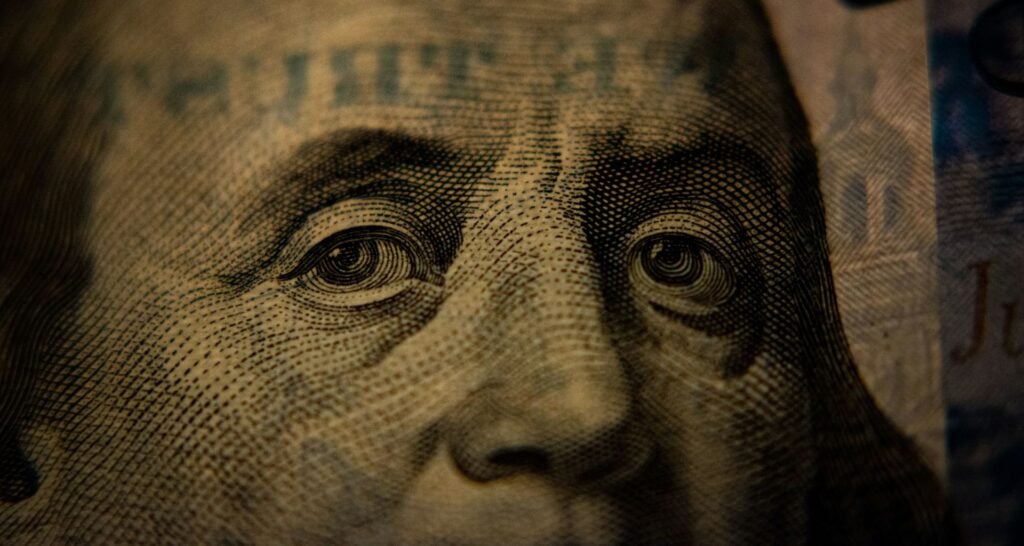
At the same time, prop money does not have security elements like watermarks or holograms. What’s more, these bills have “For motion picture purposes” or similar text etched on them. All these factors make them easy to pass off as real money while still retaining the authenticity of real money.
Quite naturally, counterfeit bills are designed to replicate legal tender and come with security features such as watermarks and holograms, that are easy to deceive an average Joe like you and me. On top of that, counterfeit money typically has a similar paper weight and texture to real currency.
Are They Same As Real Money
As noted earlier, prop money is not real currency. They simply resemble real money. Laws in the United States prohibit its citizens from burning or destroying money. As such, Prop Money’s bills protect the user from potential lawsuits and fines, while at the same time preventing fraud and unlawful usage. Because at the end of the day, they imbibe the rules that differentiate them from counterfeit currency.
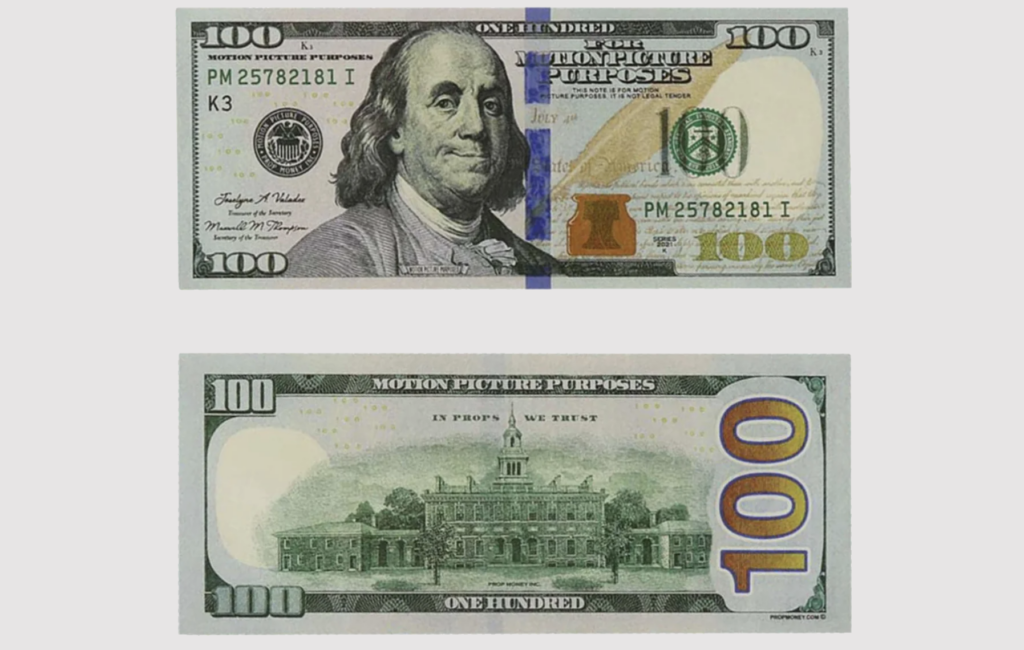
So, how do these altered props appear in close-up shots? Well, there are two major types: Standard Grade Prop Money and High-Grade Prop Money.
Standard-grade bills are used in wide shots or scenes filmed from a distance. But if a scene calls for a close-up, high-grade prop money steps in and offers realistic detail that holds up under scrutiny.

These prop money bills closely resemble actual legal tender when it comes to fine textures and fonts. That said, the prints are usually on one side as dictated by federal rules and regulations.
Are They Legal
So, is prop money legal? There are two ways to do this. Prop money is legal as long as the bills are produced as per the federal guidelines that differentiate them from real money. At the same time, they should be marked with text that defines their purpose.
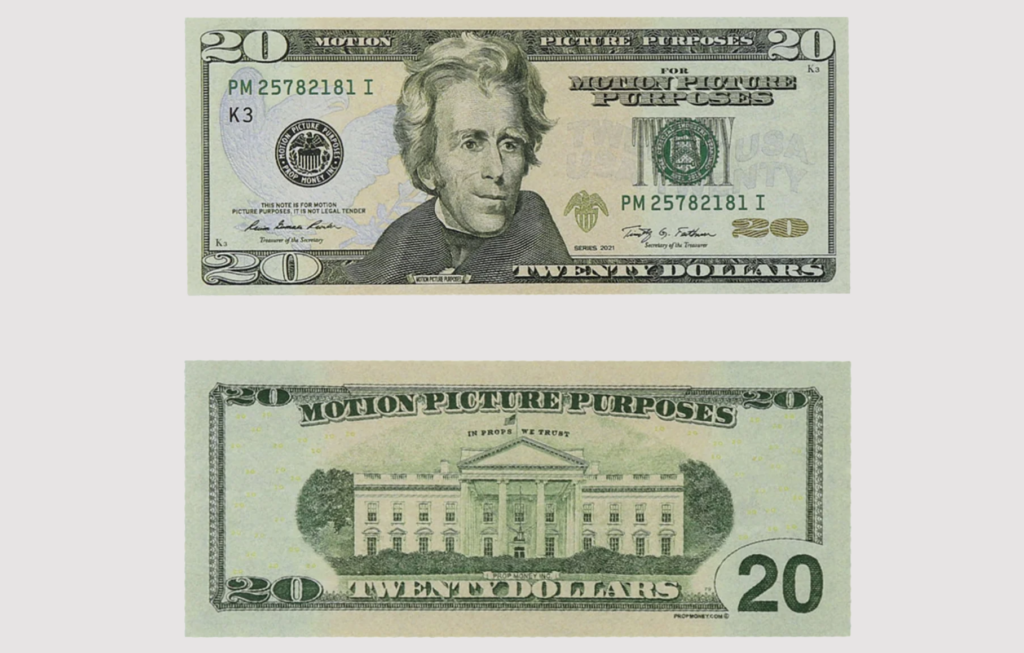
Secondly, prop money should be used for legitimate purposes like movie productions, ad shoots, theaters, and training exercises for bank officials. In short, they shouldn’t be used in place of real transactions, even as a joke.
Anti-fraud Measures Used
Producing prop money requires the makers to abide by the guidelines set by the U.S. Secret Service to ensure it isn’t mistaken for real currency. They must also follow the industry best practices for responsible distribution.
That said, some of the primary requirements include adding clear markings and text with the intended purpose. Security features like seals or serial numbers must be removed or altered to differentiate them from legal tender. This also includes other variations like changes in color and size.
Conclusion
The key to realistic-looking prop money is compliance. Prop Money’s bills are not only of high quality, but they also comply with laws and federal guidelines. The company has a number of packages and options available, including real aged bills. As suggestive as the name, these have markings of regular wear and tear like real currency, so as to present the hyper-realistic feel of films and music videos.
Related Reads: How does Netflix work? The science behind the play button