Various specifications and features contribute to the overall visual experience in monitors and display technologies. Dynamic Contrast Ratio (DCR) is one such parameter that plays a crucial role in enhancing the perceived quality of images on a monitor.
This article discusses what DCR is, its features, when to use it, and its advantages and disadvantages.
Also read: How to use two computers with one monitor?
What is DCR?
DCR, or Dynamic Contrast Ratio, is a technology that enhances the display contrast of a monitor. It operates by automatically sensing the brightness levels in the displayed content and then fine-tuning the backlight settings accordingly. This adaptive adjustment aims to improve the picture quality by boosting the contrast between the lighter and darker elements of the image.
Features of DCR
- Adjusting brightness and contrast: DCR technology’s main role is to dynamically adjust brightness and other contrast settings in real-time, responding to the visual content displayed on the screen. This feature allows DCR monitors to deliver a more intricate and vibrant visual experience, making them especially well-suited for high-definition content.
- Improving colour intensity and grayscale: DCR technology is adept at altering various colour levels by reducing the brightness in darker screen areas. This capability not only boosts the overall contrast ratio but also enhances the grayscale appearance of the image. The outcome is a more refined and nuanced display, showcasing sharper details in shadows and highlights.

When to use DCR?
- Gaming and entertainment: DCR monitors are frequently seen as advantageous for gaming and enjoying movies or TV shows, where achieving high image quality and detail is crucial for an immersive experience. The real-time contrast ratio adjustments in gaming contribute to a more lifelike and captivating visual experience.
- Professional graphics work: For individuals engaged in graphic design, video editing, or any profession where visual precision is crucial, DCR monitors can be a valuable tool. They provide improved clarity and detail, simplifying working on intricate visual projects.
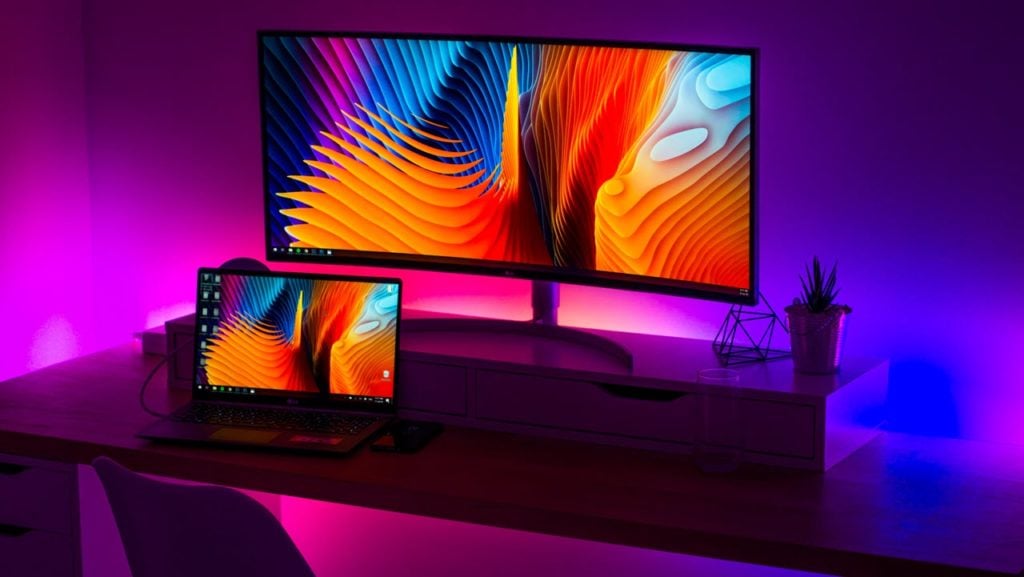
Advantages and Disadvantages of having a DCR monitor
Below, we have explained a few advantages and disadvantages of having a DCR monitor:
Advantages
- Ideal for gaming: The key to an outstanding gaming experience lies in impressive graphics. If you’re a dedicated gamer who spends extended hours playing, incorporating a DCR monitor can spare you from the stress caused by subpar graphics quality, resolution, and contrast ratio.
- Optimal contrast ratio: DCR monitors stand out for their crisp images and diverse contrast ratios. This ensures that all graphics are easily comprehensible to anyone.
- Reduced eye strain: With DCR, you can bid farewell to concerns about eye strain as it can adjust the screen’s brightness. DCR’s display technology eliminates discomfort when viewing dark images, enhancing the visual display’s quality.
- Cost-effective: DCR monitors are budget-friendly and considerably more affordable than the latest HDR technology. Regardless of your usage scenario, you can discover prices that align with your budget.
Disadvantages
- Not a substitute for high-quality panels: It’s crucial not to consider DCR as a replacement for high-quality display panels. The fundamental quality of the monitor’s panel remains the paramount factor in deciding the overall image quality.
- Dependent on personal preferences: Some people may feel that the automatic changes made by DCR are too strong or don’t match their preferred viewing settings. It’s important to consider individual taste and the particular use case when selecting a DCR monitor.
Also read: What is Monitor PNF? What does it do? Is it safe?